
Cable Tray Installation in Toronto & the GTA
Cablify supplies and installs commercial and industrial cable tray across Toronto and the GTA: wire mesh basket, ladder, solid-bottom and ventilated trough systems for offices, warehouses, manufacturing plants and data rooms. We plan the route, hang the supports and set the tray, then run the Cat6, Cat6A and fiber that goes in it.
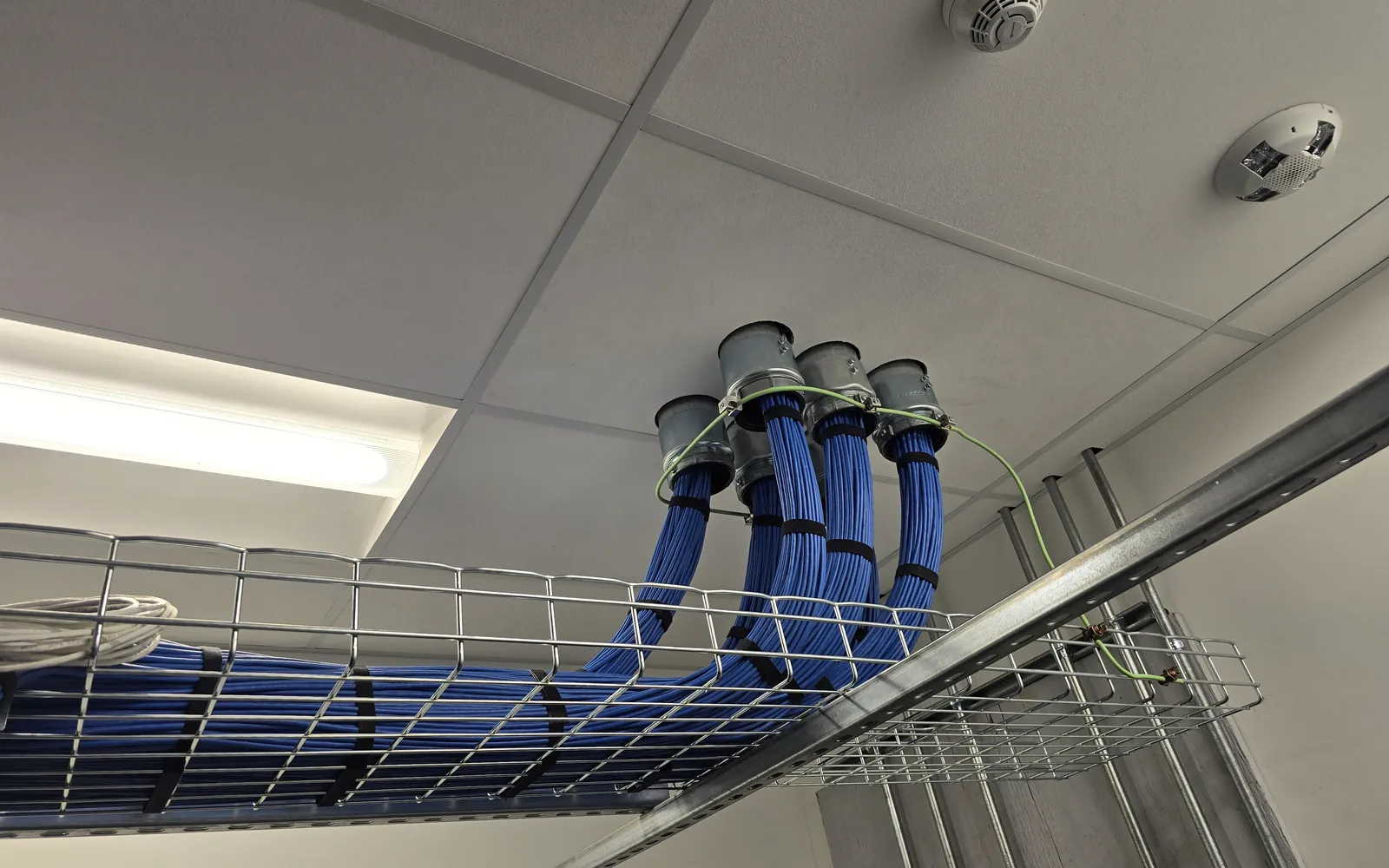
Commercial cable tray services
Most tray work we see falls into one of three jobs: a new pathway for a fit-out, changes to a tray system that is already full or in the wrong place, or a pathway planned together with the cabling that will use it.
New tray systems
- Supply and install. We source the tray, fittings and hardware for the route and install the complete run.
- Overhead routing. Main corridors above ceilings or in open structure, set at a height that stays reachable.
- Wire basket and ladder tray. Basket for most low-voltage routes, ladder where spans are long or bundles are heavy.
- Supports and suspension. Threaded rod, trapeze hangers, strut and wall brackets to suit the structure above.
Existing tray
- Extensions and modifications. New branches, drops to racks, or a re-route around new ductwork.
- Reorganization. Re-dressing overfilled trays and separating bundles that were piled in over the years.
- Capacity recovery. Removing abandoned cable so the tray has room again. See our abandoned cable removal service.
Pathways planned with the cabling
- MDF to IDF backbone routes. Tray between network rooms on each floor or across a warehouse.
- Low-voltage integration. Copper, fiber, camera and door cabling pulled into the tray by the same crew.
- Room to grow. Tray sized for today’s cable count plus the additions you already know about.
Types of cable tray we install
The right tray depends on how much cable it carries, how far it spans between supports, what the space around it is like and how often people will add cable later. Load and span limits always come from the manufacturer’s tables for the exact product, so treat the notes below as the starting point for that conversation.
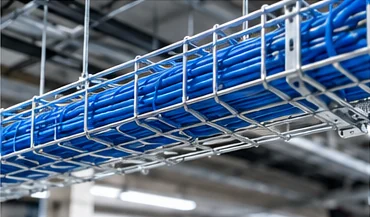
Wire mesh basket tray
The usual choice for data cabling in commercial ceilings, telecom rooms and routes to access points and cameras. It cuts and bends on site, so it follows the building without many factory fittings.
- Strengths
- Light, quick to install, easy to lay cable in and pull it out later
- Limits
- Shorter spans and lighter loads than ladder tray; mesh offers little physical protection
- Best for
- Offices, IDF rooms and branch routes with frequent moves and changes
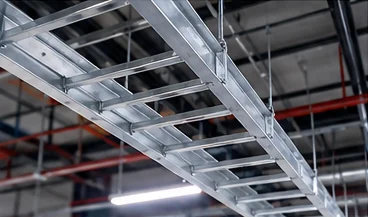
Ladder cable tray
Two side rails joined by rungs. It suits long runs and big bundles where the tray and its supports are specified for the load, and the open rungs let heat escape from large bundles.
- Strengths
- Longer spans between supports, high capacity, good airflow
- Limits
- Small cables need support between rungs; more fittings and heavier hardware
- Best for
- Backbone routes, warehouses, plant floors and larger data rooms
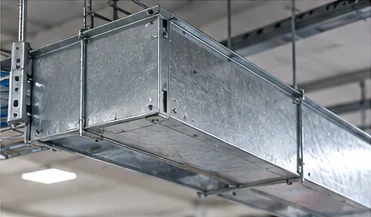
Solid-bottom tray
A continuous bottom, often with a cover, for runs where the cable needs more physical protection from what is around or above it. Whether it also helps with electrical noise depends on the full design, including covers, bonding and separation.
- Strengths
- More enclosure against dust, debris and accidental damage
- Limits
- Less ventilation, harder to add or remove cable, heavier and costlier
- Best for
- Exposed areas near equipment, dusty spaces, or where a specification calls for it
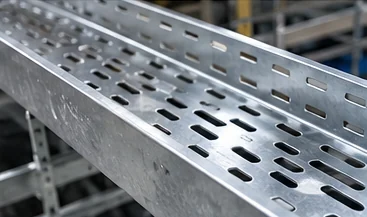
Ventilated trough tray
A perforated bottom sits between ladder and solid-bottom tray: more containment than open rungs, with some airflow and drainage through the slots.
- Strengths
- Partial containment with ventilation; continuous support for smaller cables
- Limits
- Less open for adding cable than basket tray; fittings cost more
- Best for
- Commercial and industrial runs that need some protection without closing the tray
We also install channel tray for small branch runs off a main tray, and fiberglass (FRP) tray where a corrosive or wet area is specified. For a deeper look at every tray type and its components, read our guide to cable tray systems.
Cable tray types compared
| Tray type | Containment | Airflow | Adding cable later | Span and load | Common setting |
|---|---|---|---|---|---|
| Wire mesh basket | Open mesh | High | Easiest: lay it in from the top | Lighter loads, shorter spans | Office ceilings, telecom rooms |
| Ladder | Open rungs | High | Easy | Longer spans, heavier bundles | Backbones, warehouses, plants |
| Solid-bottom | Enclosed bottom, cover optional | Low | Harder, especially with covers | Set by gauge and supports | Exposed or dusty areas |
| Ventilated trough | Perforated bottom | Medium | Moderate | Set by gauge and supports | Industrial and commercial runs |
Spans and loads vary by manufacturer, width, depth and gauge. We confirm them from the product data for your route.
Not sure which tray fits your building? Send a floor plan or a few photos of the ceiling and we will tell you what we would use and why.
Where we install cable tray
The tray is similar from one building to the next. The job around it changes a lot.
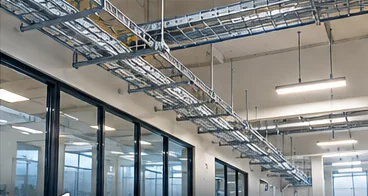
Commercial office buildings
Ceiling space is shared with ducts, sprinklers and lighting, and the floor is often occupied. We set the tray where it can still be reached after the ceiling tiles go back, and phase the work around staff, often in the evening.
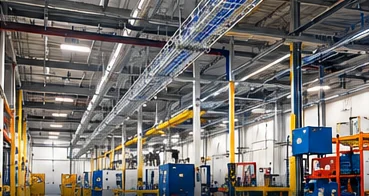
Warehouses and distribution centres
Long overhead routes, high ceilings and racking below. The work is done from lifts, the route has to clear sprinklers and lighting, and the tray needs spare room for the scanners, access points and cameras that get added later. We have cabled sites over 500,000 sq ft.
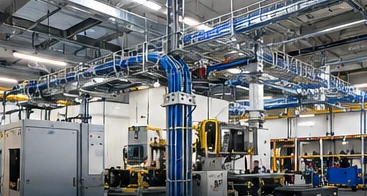
Manufacturing and industrial facilities
Data tray shares the space with power, process piping and moving equipment. Routing keeps it apart from power and clear of machinery, and work is scheduled around production shifts.
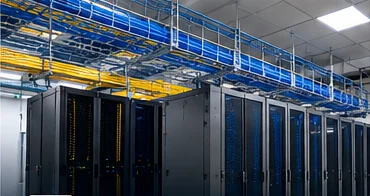
Data centres
Overhead tray above the rows keeps copper and fiber out of the airflow path and makes every bundle traceable. Drops into each cabinet need controlled bends, especially for fiber. Our Mississauga data centre project covered the fiber and Cat6 for a whole facility.
Server rooms, MDFs and IDFs
Short routes, tight space and racks that are already live. Tray and ladder rack bring cable in over the racks and down into vertical managers. More on server room cabling.
Retail and multi-tenant buildings
Landlord rules, shared ceilings and tenants who change. Tray in common areas gives each new tenant a route to the network room without opening the whole ceiling.
Schools and institutional buildings
Long corridors and many rooms off them. A corridor tray with short branches to each room is easier to maintain than hundreds of separate runs.
Cable tray, conduit, J-hooks or ladder rack?
Most buildings use more than one. Tray carries the main route, and conduit or J-hooks take the branches.
| Pathway | Adding cable later | Physical protection | Capacity | Typical place | What drives the cost | Upkeep |
|---|---|---|---|---|---|---|
| Cable tray | Easy, open from the top | Moderate | High | Main corridors, open structure, warehouses, data rooms | Tray, fittings, supports, lift time | Visible and easy to inspect; keep fill under control |
| EMT conduit | Hard; limited by fill and pull points | Highest | Low per run | Walls, exposed drops, near equipment, where a spec requires it | Labour per metre, bends, pull boxes | Little, but every change needs a new pull |
| J-hooks | Easy, up to the hook’s capacity | Minimal | Low to moderate | Office ceilings, branch runs off a main tray | Lowest material cost; hook count | Overfilled hooks sag; supports no more than 1.5 m apart |
| Cable ladder rack | Easy | Low | Moderate to high | Inside MDF and IDF rooms, over racks and along walls | Rack length, corners, wall and rack mounts | Simple; keep power and data on separate runs |
Choose tray when many cables share one route, when the route is long, or when you expect to add cable over time.
Choose conduit where cable is exposed to damage, runs down a wall, or a specification requires it. Our conduit installation page and conduit fill calculator help size it.
Choose J-hooks for the last stretch from a tray to a group of desks or devices in a drop ceiling.
Choose ladder rack inside the network room, where cable has to cross over racks and turn down into them.
Cable tray and cabling from one crew
When one company installs the pathway and the cable that uses it, the tray is sized from the real cable count, the drops land where the racks and devices actually are, and the bends at each transition suit Cat6A and fiber. Fewer things get moved after the ceiling closes.
- Cat6 and Cat6A cabling to desks, access points and equipment
- Fiber optic backbone between floors, rooms and buildings
- Racks and cabinets for MDF and IDF rooms
- Wireless access point and security camera cabling
- Access control cabling to doors and readers
- Rack and room cable management when the tray meets the racks
If the tray is part of a larger build, our structured cabling team plans the whole system.
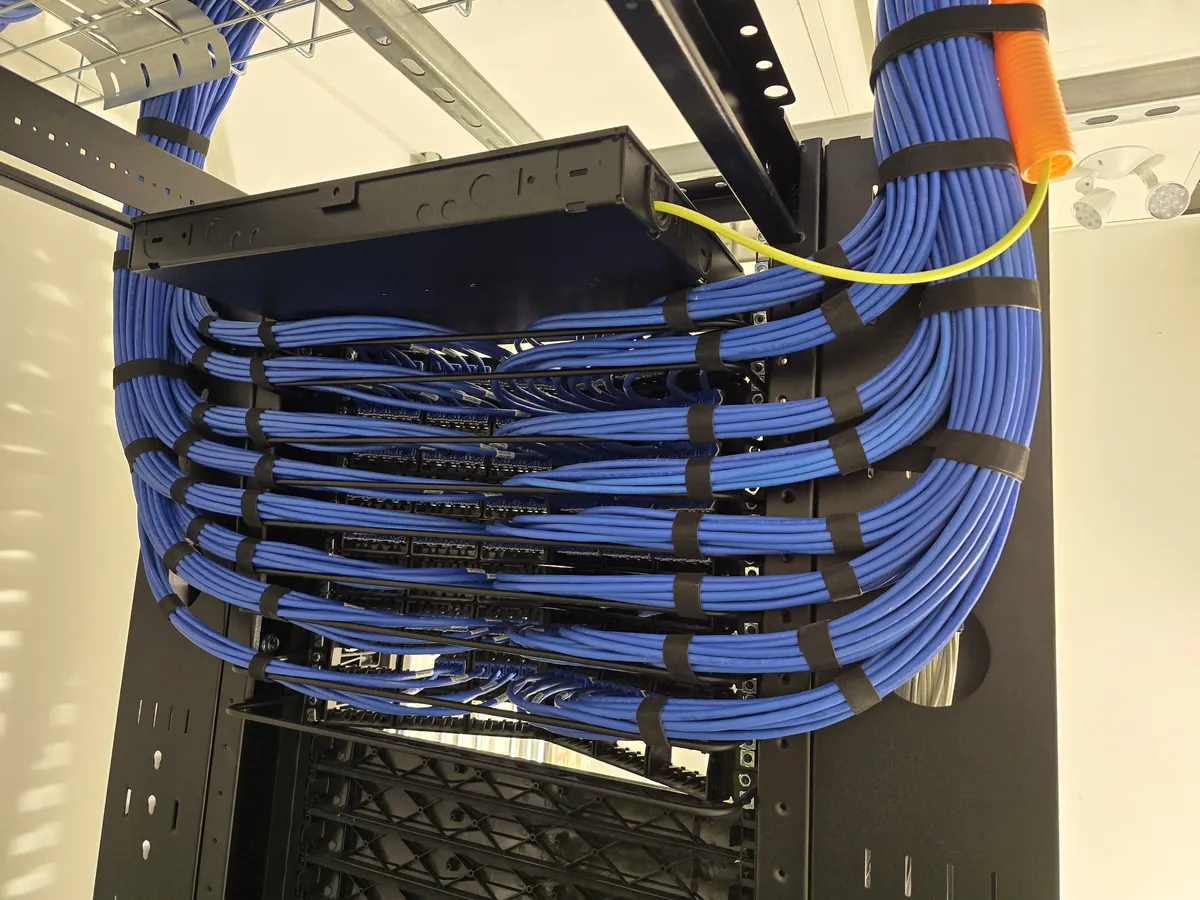
Recent Cablify tray and rack work
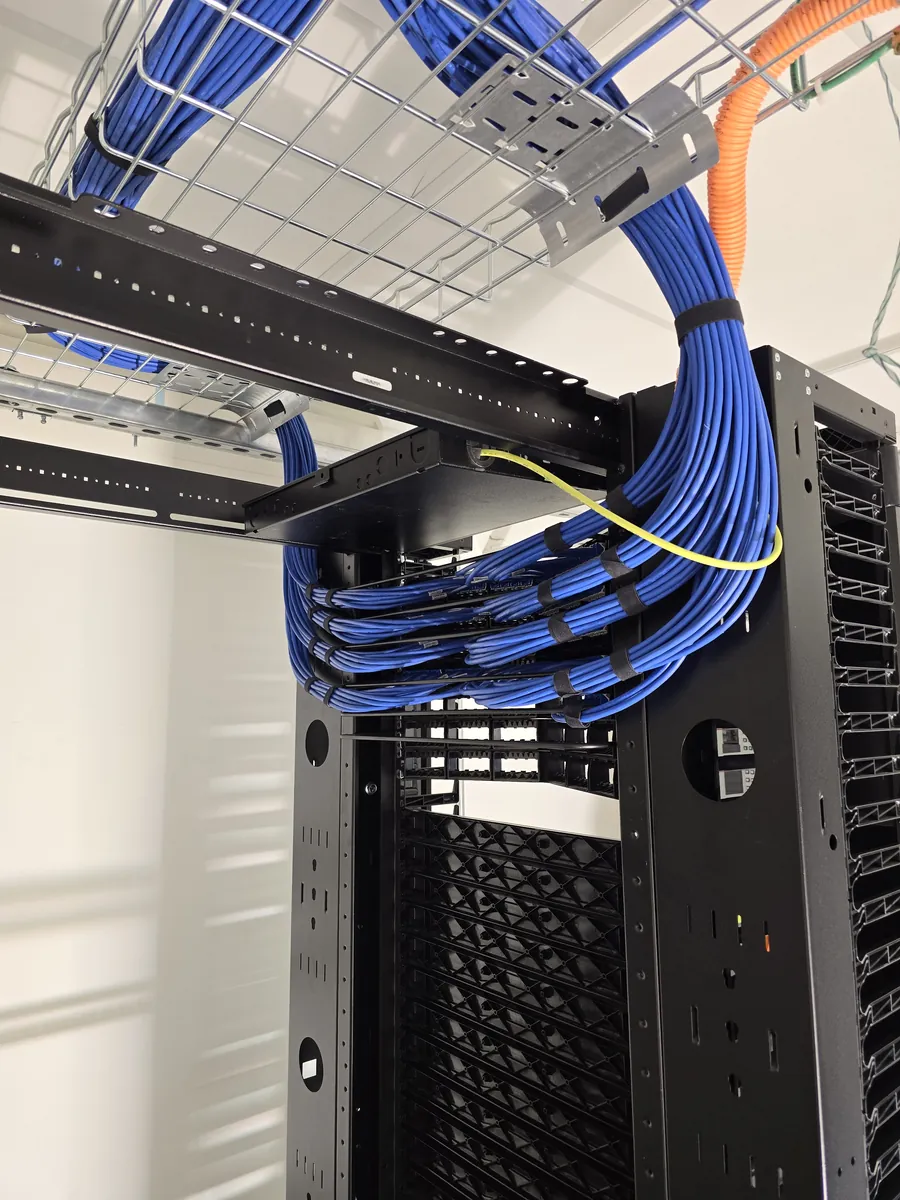
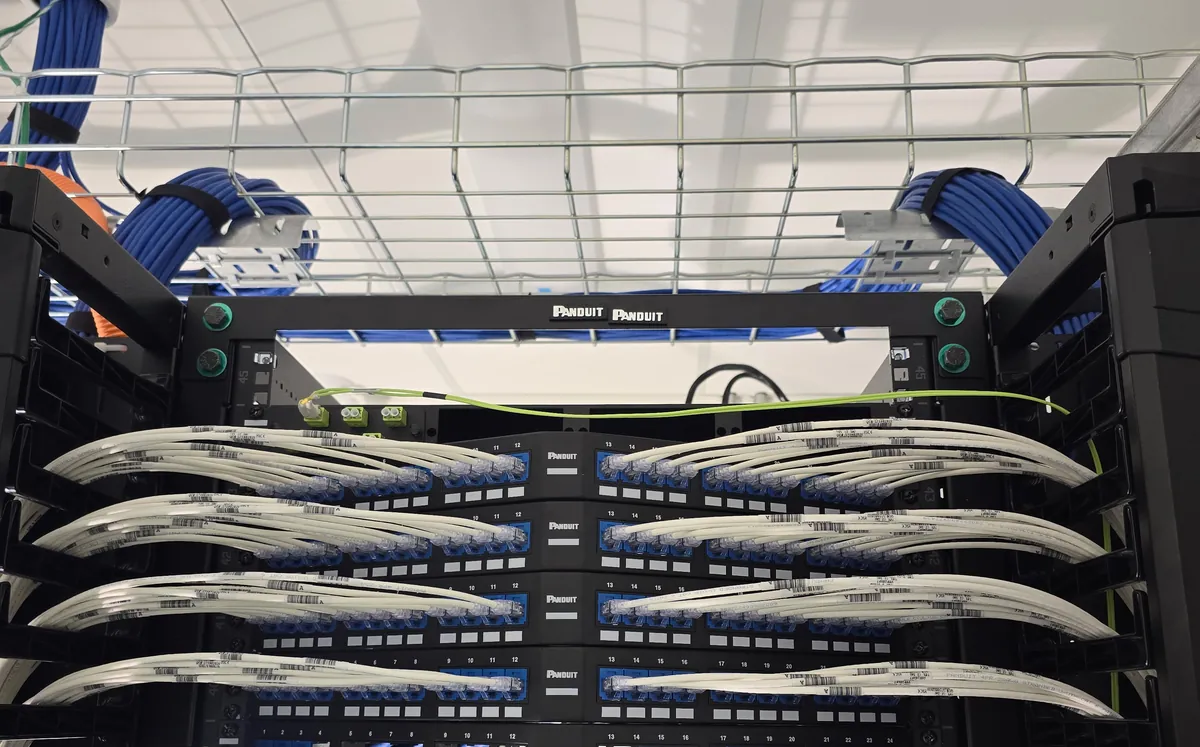
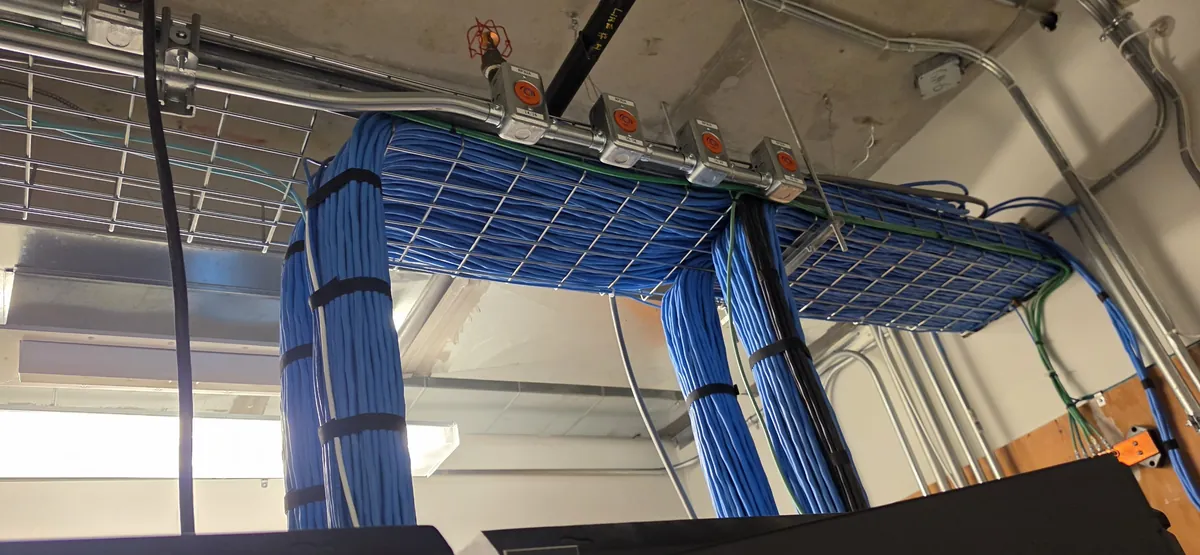
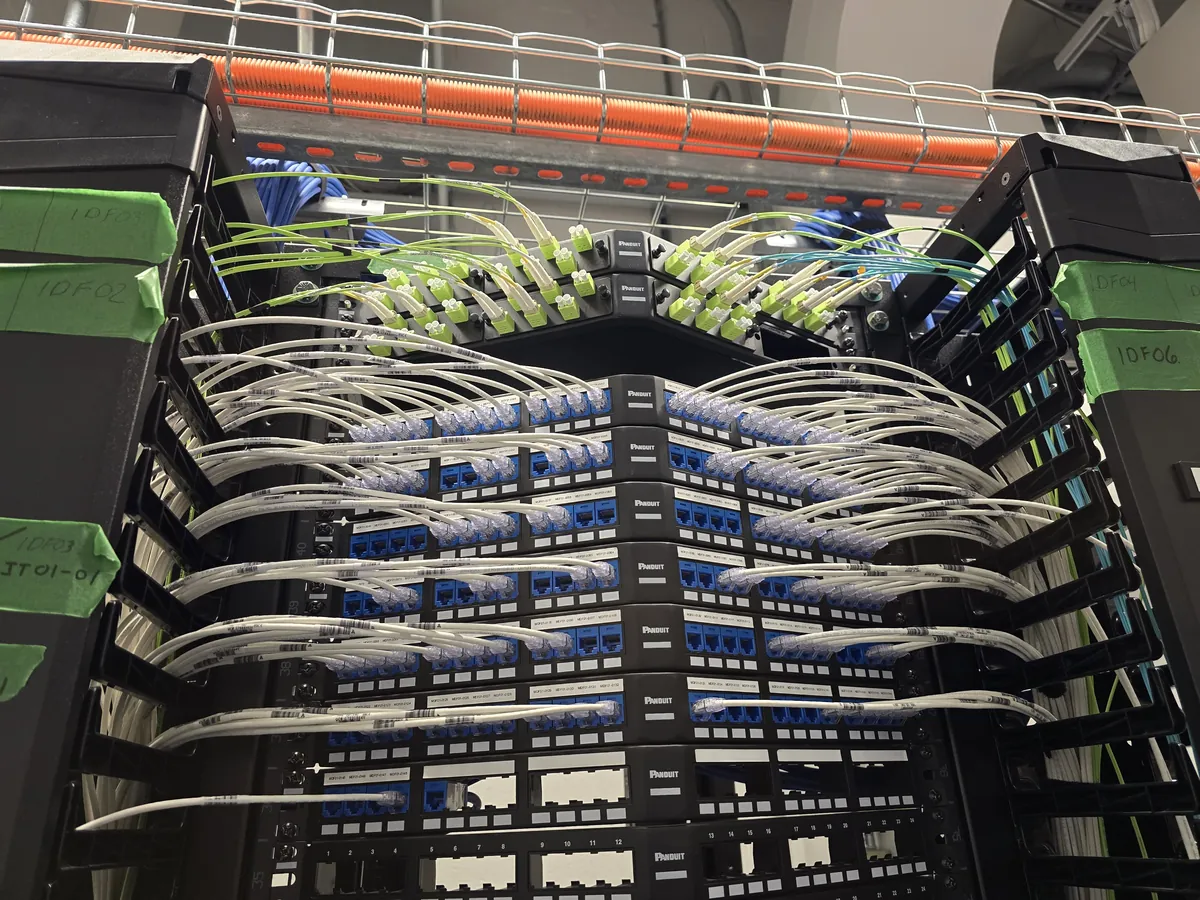
Photos from Cablify installations.
Downtown Toronto office. More than 240 Cat6 runs in FT6-rated cable, a 42U cabinet, patch panels and cable tray for a US company with no staff on site during the build. Read the case study.
Our own technicians. The crew that quotes the tray is the crew that installs it. We work 7 days a week, so evening and weekend installs in occupied buildings are routine.
Tested cabling. Every copper link we install in the tray is tested with a Fluke tester and labelled at both ends, and you get the results at handover.
Hubbell Certified Installer. This covers the structured cabling systems we register with Hubbell for its 25-year warranty. It does not apply to cable tray products, which carry their own manufacturer’s terms.
What cable tray installation costs
Every tray job is priced from the route, so we don’t publish a per-metre rate. These are the things that move the number most:
- Tray type, width and material
- Total installed length and the number of bends, tees, drops and offsets
- Ceiling height, building access and whether lifts are needed
- Hanger type and support spacing for the load
- How crowded the ceiling is with ducts, pipes and electrical
- Occupied or vacant space, and any after-hours scheduling
- Whether we are also installing the cable that goes in the tray
For an accurate price we usually need to see the route, either on site or from drawings and photos, plus a cable count. Two routes of the same length can differ a lot once supports and obstacles are counted.
What to send for a faster quote
- Floor plan or reflected ceiling plan
- Photos of the ceiling and the network room
- Approximate cable count, now and planned
- Ceiling height and the site address
- Your timing and any after-hours limits
Cable tray installation across the GTA
We install cable tray throughout Toronto and the GTA, with regular work in Mississauga, Brampton, Vaughan, Markham and Richmond Hill, Oakville and Burlington. Larger projects elsewhere in Ontario are quoted case by case.
Cable tray installation FAQ
What types of cable tray do you install?
Wire mesh basket, ladder, solid-bottom and ventilated trough tray, plus channel tray for small branches and fiberglass tray where a corrosive area calls for it. Most data cabling routes use basket tray.
What is the difference between basket tray and ladder tray?
Basket tray is a welded wire mesh that is light and easy to shape on site, which suits office ceilings and telecom rooms. Ladder tray has solid side rails and rungs and handles longer spans and heavier bundles, which suits backbones and warehouses.
How much does cable tray installation cost in Toronto?
It depends on the tray type and width, the length, ceiling height, supports, access and scheduling. Send a floor plan or photos with a cable count and we will price the route.
Can cable tray carry Cat6A and fiber?
Yes. Tray is a common pathway for both. Cat6A is thicker than Cat6, so it fills a tray faster, and fiber needs controlled bends where it drops into racks, so both are allowed for when we size and lay out the tray.
Can you extend an existing cable tray system?
Yes. We add branches and drops, re-route around new services, and can clear out abandoned cable to recover capacity before adding new runs.
Do you install cable tray in occupied buildings?
Yes. We work 7 days a week and often install in the evening or on weekends, with work areas kept tidy so the space can be used the next morning.
How do you decide tray size and support spacing?
Size comes from the cable count, cable diameter and room for growth. Support type and spacing come from the manufacturer’s load and span data for that tray, and what the structure above can take.
Can Cablify install the tray and the network cabling together?
Yes, and that is most of our tray work. One crew installs the pathway, pulls and dresses the cable, labels both ends and tests it.
Planning a cable tray installation in Toronto?
Send us your floor plans, photos, cable counts or a short description of the route and we will come back with a quote.
Prefer to talk? Call 647-846-1925 or email info@cablify.ca.