
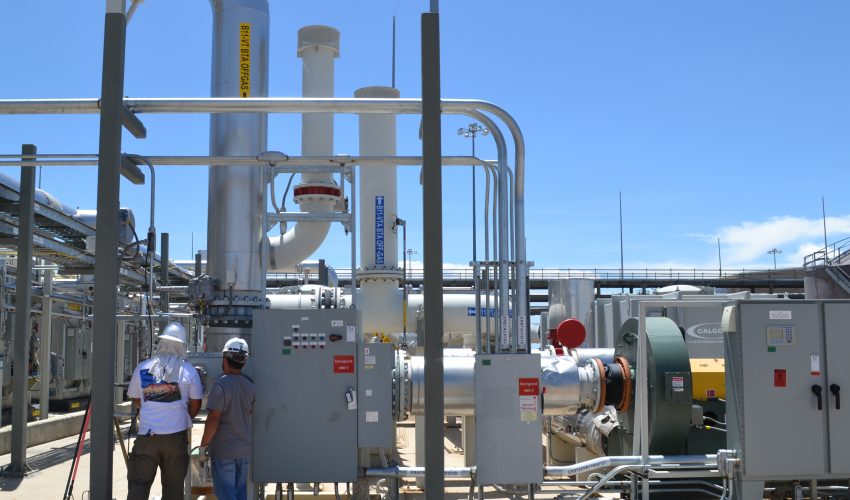
Rigid conduit is the heavy end of the raceway family. It goes where EMT would get dented by a forklift, rusted by road salt or crushed in the ground, and in Ontario that covers a lot of real job sites: parking garages, loading docks, rooftops, building entrances and camera poles. It is also slower and more expensive to install, so it pays to know where it is needed and where it is not.
This guide covers the types of rigid conduit sold in Canada, the sizes and dimensions, the threaded fittings, bending, supports, expansion, corrosion, underground work and the Canadian Electrical Code rules that apply. The last part looks at rigid conduit for network, fiber and security camera cabling, which has stricter bend and length limits than power wiring. If you are comparing rigid steel with EMT and IMC side by side, our EMT vs rigid vs IMC comparison goes deeper on that choice.
Short answer
Rigid conduit is a heavy-walled raceway made of galvanized steel, aluminum, stainless steel, PVC-coated steel, rigid PVC or fiberglass (RTRC). Metal rigid conduit is joined with tapered threads and threaded couplings, which makes it strong, watertight and suitable as a bonding path. It is used outdoors, in parking garages, below about 2.4 m where it can be struck, underground and in hazardous locations.
In Canada it is covered by CEC Rules 12-1000 to 12-1014 (metal), 12-1100 to 12-1124 (rigid PVC) and 12-1200 to 12-1220 (RTRC), with product standards CSA C22.2 No. 45.1, 45.2 and 211.2. A run may have no more than the equivalent of four 90 degree bends between pull points for power, and two for data cable under TIA-569.

In this guide
- What rigid conduit is
- Types of rigid conduit
- Sizes and dimensions
- Threads, couplings and fittings
- Bending rigid conduit
- Supports and spacing
- Expansion and contraction
- Corrosion, concrete and underground
- Bonding and fire separations
- Rigid conduit for network, fiber and cameras
- Which conduit goes where
- Codes and standards in Canada
- Mistakes we see
- FAQ
What rigid conduit is
A conduit is a raceway: a closed pathway that cables are pulled into after it is installed. “Rigid” separates the heavy-walled, field-threaded or solvent-welded types from EMT, which is thin-walled tubing, and from flexible conduit. In Canadian practice the word covers three families:
- Rigid metal conduit. Galvanized steel (often called RGS or GRC), aluminum and stainless steel, all threaded with tapered pipe threads. This is what most electricians mean when they say “rigid”.
- Rigid PVC conduit. Unplasticized PVC, joined with solvent cement. The code treats it as its own wiring method with its own rules.
- Rigid RTRC conduit. Reinforced thermosetting resin, better known as fiberglass conduit. Light, non-metallic and rated for higher temperatures than PVC.
PVC-coated steel or aluminum is rigid metal conduit with a factory-bonded plastic jacket, used where plain galvanized steel would corrode. Intermediate metal conduit (IMC), a thinner steel conduit that is common in the US, sits in between. It has had no CSA product standard, so it rarely appears on Canadian drawings; more on that below.
Types of rigid conduit
| Type | Joined by | Product standard (Canada) | Strengths | Watch for |
|---|---|---|---|---|
| Rigid galvanized steel | Tapered threads, threaded couplings | CSA C22.2 No. 45.1 (with UL 6) | Toughest against impact; can serve as the bonding path; permitted in hazardous locations | Heavy; rusts where the zinc is damaged or where it enters soil |
| Rigid aluminum | Tapered threads | CSA C22.2 No. 45.2 (with UL 6A) | About one third the weight of steel; does not rust; good outdoors | Must be coated in concrete that contains chlorides; dents more easily |
| Rigid stainless steel | Tapered threads | CSA C22.2 No. 45.2 | Food, pharmaceutical and washdown areas | Cost; needs stainless fittings and straps |
| PVC-coated rigid steel or aluminum | Tapered threads, coated couplings and fittings | CSA C22.2 No. 45.1 or 45.2 | Salt, chemicals and parking garages | Coating must not be damaged; needs coated fittings and matching tools |
| Rigid PVC | Solvent cement | CSA C22.2 No. 211.2; Types EB1 and DB2 to No. 211.1 | Light, cheap, corrosion-proof; standard underground and in slabs | 75 °C limit; expansion joints; close supports; not a bonding path |
| RTRC (fiberglass) | Bell and spigot, adhesive or threaded adapters | CSA C22.2 No. 2420 (below ground) and No. 2515 (above ground) | Very light, corrosion-proof, low friction for long pulls | Cost and availability; not a bonding path |
Rigid galvanized steel
Galvanized rigid steel is hot-dip galvanized inside and out and threaded on both ends at the factory. It ships in 3 m (10 ft) lengths with a coupling on one end, and some makers also offer 6 m (20 ft) lengths. It is the default for exposed outdoor work, for runs below about 2.4 m in warehouses and plant areas, for stub-ups out of slabs, and for hazardous locations, where threaded joints are part of how the system contains an internal explosion.
Steel is also the best shield of the common conduit types. A rigid steel run between a power feeder and a camera cable cuts magnetic interference far better than PVC, which offers none.
Rigid aluminum
Aluminum rigid conduit has the same dimensions and threads as steel but weighs about a third as much, which matters on long exterior runs and on rooftops. It does not rust, so it holds up well in wet and coastal air. The catch is concrete: aluminum must not be embedded directly in concrete that contains soluble chlorides, such as calcium chloride accelerator, unless it is coated. Aluminum is also softer, so it wrinkles more easily when bent.
PVC-coated rigid conduit
PVC-coated rigid conduit is galvanized steel (or aluminum) with a factory-bonded PVC jacket, typically 40 mil (1 mm) thick, and a thin urethane coating inside. Ocal from ABB and Plasti-Bond from Robroy are the common brands in Canada. It is the usual answer for parking garages, car washes, wastewater plants and chemical areas. Every fitting, strap and coupling in the run has to be coated too, and installers use bender shoes and vises made for coated pipe so the jacket is not cut. A nick in the coating becomes the place where the run rusts first.
Rigid PVC
Rigid PVC conduit is grey unplasticized PVC, usually Schedule 40, joined with solvent cement. It does not corrode, does not conduct, and costs and weighs far less than steel, which is why it is the standard choice underground, inside concrete slabs and in corrosive areas. Its limits are heat, movement and impact. CSA C22.2 No. 211.2 rates it for 75 °C, it expands about four times as much as steel, and it needs supports much closer together. Heavier Schedule 80 is used where PVC needs more protection from damage. For underground duct banks, Canada also uses Type DB2 (direct burial) and EB1 (encased in concrete) PVC to CSA C22.2 No. 211.1, a separate product with its own dimensions.
RTRC (fiberglass conduit)
Reinforced thermosetting resin conduit is made of glass fibre in an epoxy resin. It is listed to 110 °C, does not rust, and is very light: one maker puts 30 m (100 ft) of 4 in conduit at about 33 kg (72 lb), against about 467 kg (1,030 lb) for the same length of rigid steel. It is common on bridges, tunnels, utility and industrial projects. Its low friction suits long cable pulls. Like PVC, it does not carry fault current, so a separate bonding conductor goes inside.
What about IMC?
Intermediate metal conduit is a thinner-walled steel conduit that uses the same threads and fittings as rigid steel. It is widely used in the US. Canada has had no CSA product standard for it, and the fittings standard CSA C22.2 No. 18.3 notes that IMC fittings are not recognized in Canada. CSA has a new IMC standard, C22.2 No. 347, in development. Until it is published and products are certified to it, Canadian specifications call for rigid steel, aluminum or PVC. US guides that suggest IMC as a cheaper rigid do not carry over.
Sizes and dimensions
Conduit is sold by trade size. In Canada the metric designator (16, 21, 27 and so on) is printed beside the inch size, and both refer to roughly the inside diameter, not to any exact measurement. The table gives nominal dimensions for galvanized rigid steel. Rigid aluminum shares the same outside diameters and threads.
| Trade size | Metric | Outside dia. (mm) | Inside dia. (mm) | Wall (mm) | Threads per inch | Weight per 3 m length (kg) |
|---|---|---|---|---|---|---|
| 1/2 in | 16 | 21.3 | 16.1 | 2.6 | 14 | 3.7 |
| 3/4 in | 21 | 26.7 | 21.2 | 2.7 | 14 | 4.9 |
| 1 in | 27 | 33.4 | 27.0 | 3.2 | 11½ | 7.3 |
| 1-1/4 in | 35 | 42.2 | 35.4 | 3.4 | 11½ | 9.9 |
| 1-1/2 in | 41 | 48.3 | 41.2 | 3.5 | 11½ | 11.9 |
| 2 in | 53 | 60.3 | 52.9 | 3.7 | 11½ | 15.9 |
| 2-1/2 in | 63 | 73.0 | 63.2 | 4.9 | 8 | 25.4 |
| 3 in | 78 | 88.9 | 78.5 | 5.2 | 8 | 33.0 |
| 3-1/2 in | 91 | 101.6 | 90.7 | 5.5 | 8 | 39.9 |
| 4 in | 103 | 114.3 | 102.9 | 5.7 | 8 | 46.7 |
| 5 in | 129 | 141.3 | 128.8 | 6.2 | 8 | 63.5 |
| 6 in | 155 | 168.3 | 154.8 | 6.8 | 8 | 83.5 |
Wall thickness is calculated from the nominal outside and inside diameters. Dimensions vary slightly between manufacturers. Each length has colour-coded thread protectors that identify the trade size, but the colours are not the same from one maker to the next.
The smallest rigid conduit allowed for most wiring in Canada is trade size 16 (1/2 in), and many specifications set 21 (3/4 in) as the minimum for power and lighting. For sizing conduit by the cables inside it, the CEC uses Rule 12-910, the fill percentages in Table 8 (53% for one conductor, 31% for two and 40% for three or more) and the inside areas in Tables 9A to 9P, with Table 9A for rigid metal conduit and Table 9C for rigid PVC. For Cat6, Cat6A and fiber counts, our data cable conduit fill calculator and conduit fill chart for data cables do the arithmetic.
Threads, couplings and fittings
Rigid metal conduit uses the same tapered pipe thread as plumbing pipe, NPT, with a taper of 1 in 16 (3/4 in per foot). The taper is what makes a joint wrench-tight: as the coupling turns on, the threads wedge together. Sizes 16 and 21 use 14 threads per inch, 27 to 53 use 11½, and 63 and larger use 8.
- Coupling: threads on fully, with the joint wrench-tight
- Cut end reamed smooth inside, so it cannot strip cable jackets
- Thread engagement: at least three threads, five in a Zone 1 hazardous location
- Locknut outside the box
- Insulated bushing inside, with a smooth plastic throat
- Bonding jumper from the bushing lug, where a bonding bushing is needed
The CE Code Handbook sums up the thread rule: Rule 12-1008 requires three threads to be engaged when making a threaded connection, while Rule 18-102 requires five in a Zone 1 hazardous location. Field threads cut on site must match the factory taper and length, and running threads (a long straight thread with a coupling run back over it) are not a way to join conduit.
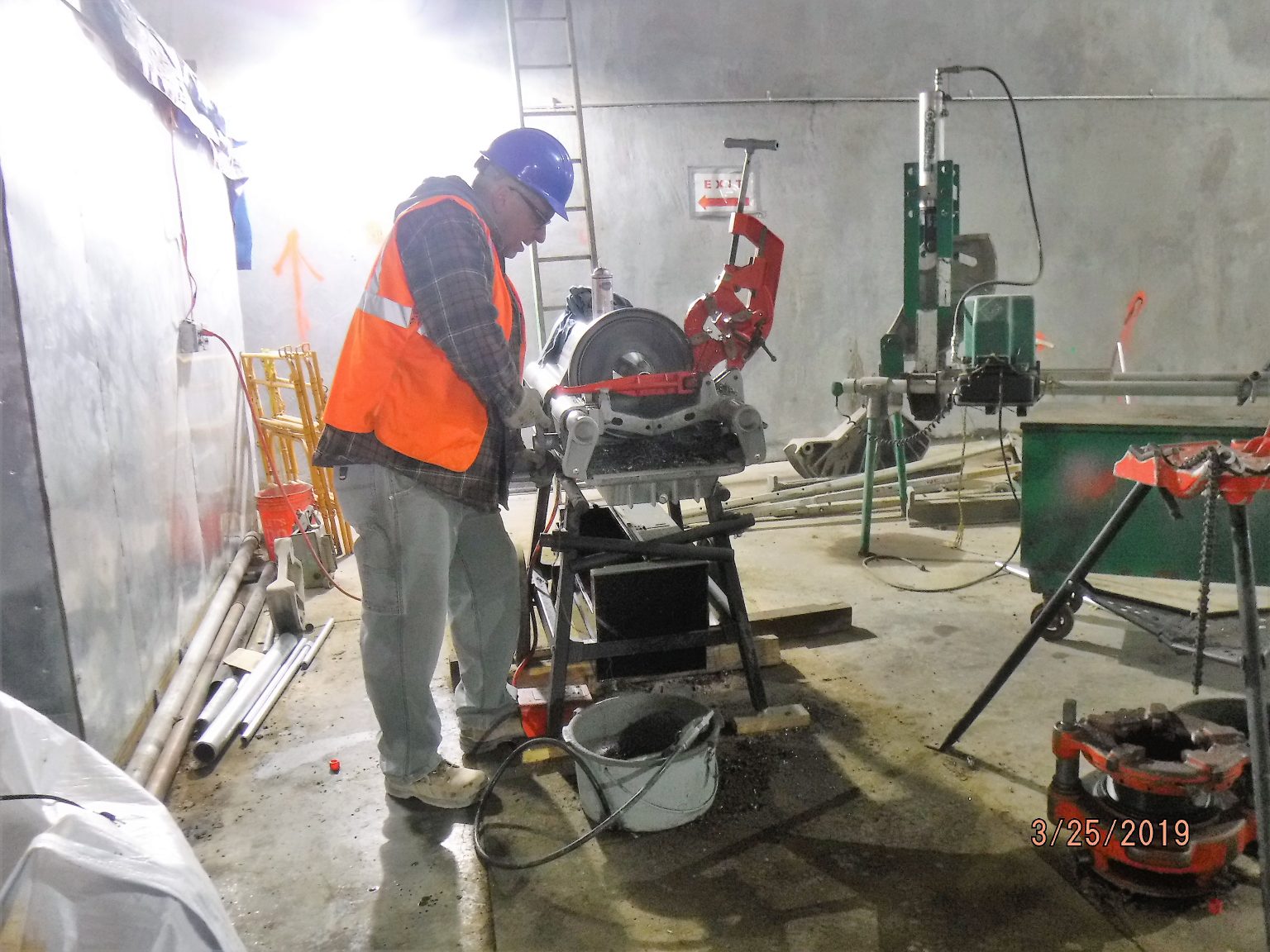

The fittings that make up a rigid system:
- Couplings and nipples. Threaded couplings join lengths. Nipples are short pieces threaded both ends, used between boxes and enclosures.
- Elbows. Factory 90 and 45 degree elbows come in standard radius and in long-radius sweeps. Data conduit needs the long ones (see bending below).
- Locknuts, bushings and hubs. A locknut outside and a bushing inside clamp the conduit to a box. Insulated bushings protect cable at the conduit end. Bonding bushings add a lug for a bonding jumper. Watertight hubs seal box entries in wet locations.
- Conduit bodies. LB, LL, LR, T, C and X bodies give a pull point at a turn or branch. Canadian standards treat a conduit body as a fitting, not as an outlet box, so it is not a place for devices.
- Three-piece couplings (unions). Join two pieces of conduit when neither can be turned.
- Expansion and expansion-deflection fittings. Let the run move across building expansion joints and on long exterior runs, with a bonding jumper across the slip joint.
- Sealing fittings. Filled with sealing compound at hazardous location boundaries and enclosures, so gas and flame cannot travel along the conduit.
- Supports. One-hole and two-hole straps, strut clamps, beam clamps and conduit hangers. On PVC-coated conduit the straps are coated as well.

Bending rigid conduit
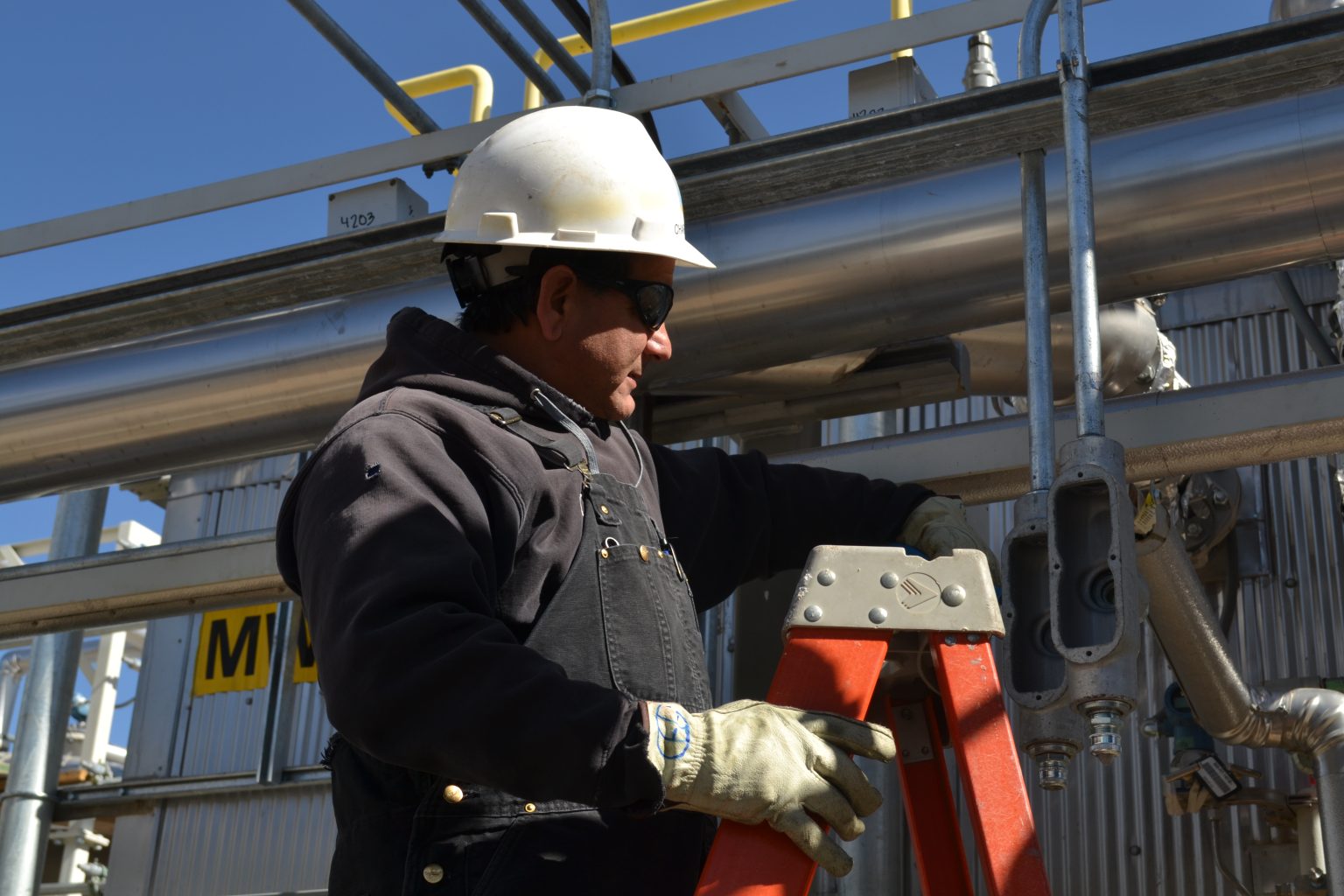
Sizes 16 to 27 can be bent with a hand bender or a hickey, though most crews use a mechanical ratchet or wheeled bender for anything over 21. From about 35 up, rigid is bent on electric or hydraulic benders, either in one shot or in segments. Larger sizes are often ordered as factory elbows rather than field bent. Aluminum dents and wrinkles more easily than steel, PVC is heated in a hot box and bent by hand, and PVC-coated pipe needs bender shoes made for the coating.
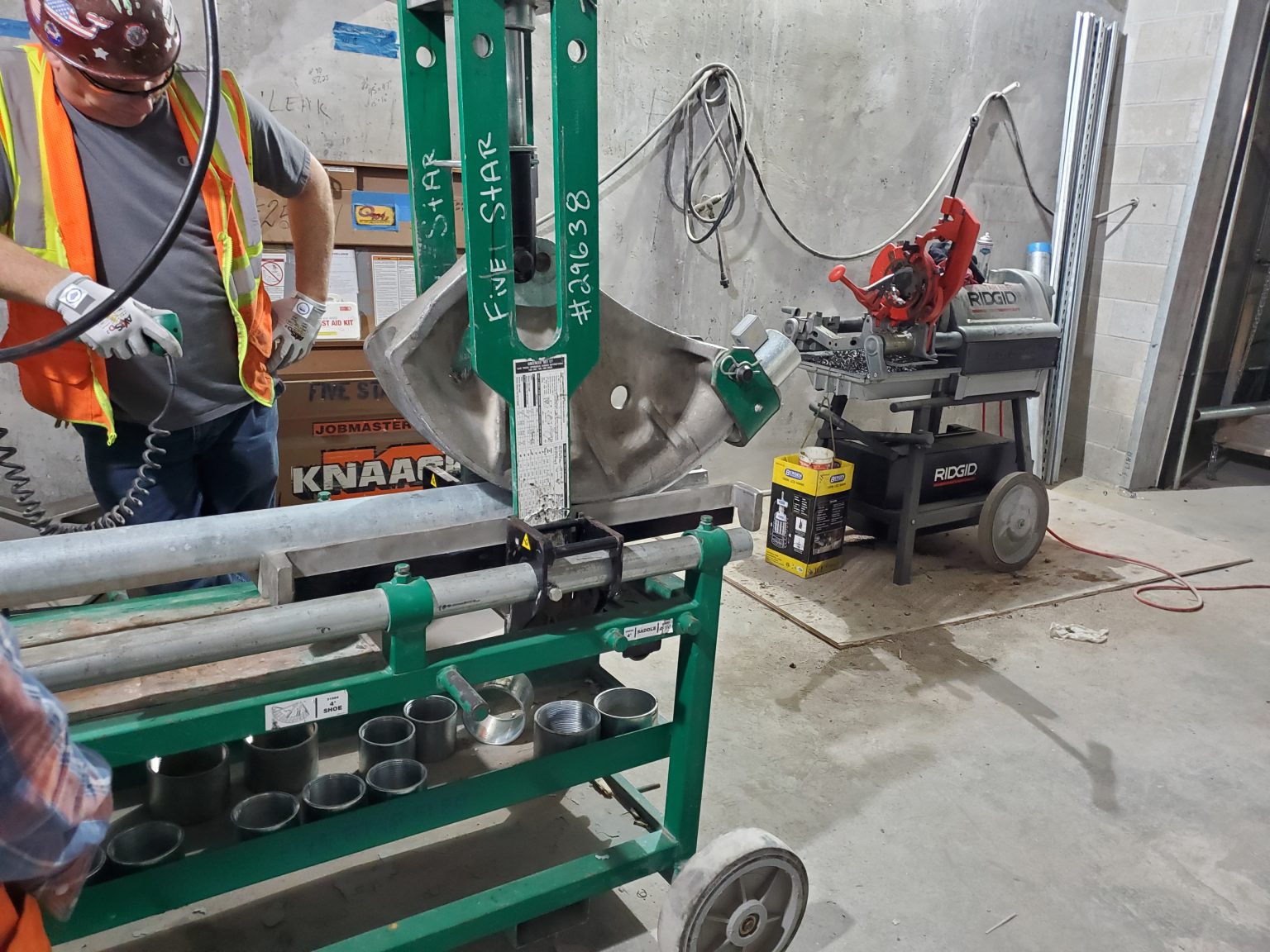

Two rules limit bends. CEC Rule 12-924 and Table 7 set the minimum radius of a bend in a raceway that conductors are pulled into. CEC Rule 12-940 limits a run to the equivalent of four 90 degree bends between outlets or draw-in points, counting the bends at fittings. Offsets, kicks and saddles all count, degree for degree.
Network and fiber cable is held to a tighter standard. ANSI/TIA-569 requires the inside radius of a conduit bend to be at least 6 times the conduit’s inside diameter up to trade size 53 (2 in), and 10 times for larger conduit and for fiber at any size. A standard factory elbow does not meet that at any size, as the table shows.
| Trade size | Standard elbow, centreline radius | Standard elbow, inside radius | TIA-569 minimum inside radius | Standard elbow OK for data? |
|---|---|---|---|---|
| 1/2 in (16) | 102 mm | 91 mm | 6 x 16 = 96 mm | No |
| 3/4 in (21) | 114 mm | 101 mm | 6 x 21 = 127 mm | No |
| 1 in (27) | 146 mm | 129 mm | 6 x 27 = 162 mm | No |
| 1-1/4 in (35) | 184 mm | 163 mm | 6 x 35 = 212 mm | No |
| 1-1/2 in (41) | 210 mm | 185 mm | 6 x 41 = 248 mm | No |
| 2 in (53) | 241 mm | 211 mm | 6 x 53 = 317 mm | No |
| 2-1/2 in (63) | 267 mm | 230 mm | 10 x 63 = 632 mm | No |
| 3 in (78) | 330 mm | 286 mm | 10 x 78 = 785 mm | No |
| 3-1/2 in (91) | 381 mm | 330 mm | 10 x 91 = 907 mm | No |
| 4 in (103) | 406 mm | 349 mm | 10 x 103 = 1029 mm | No |
| 5 in (129) | 610 mm | 539 mm | 10 x 129 = 1288 mm | No |
| 6 in (155) | 762 mm | 678 mm | 10 x 155 = 1548 mm | No |
Standard radius from NEC Chapter 9 Table 2 (one-shot and full-shoe benders), which matches common factory elbows. Inside radius is the centreline radius minus half the outside diameter. TIA-569 minimums use rigid steel inside diameters from the size table above.
Supports and spacing
Rigid metal conduit is stiff enough to span further between supports than EMT or PVC, but it still has to be fastened close to every box, cabinet and fitting and supported along the run. The CEC sets the spacing in the rule group for each conduit type, and the numbers are not the same as the US code that most product sheets quote, so take them from the Canadian Electrical Code (and the Ontario Electrical Safety Code in Ontario) rather than from a US catalogue.
- Groups of conduit. Run parallel conduits on strut or trapeze hangers with conduit clamps. Canadian municipal specifications commonly call for channel supports at 1.5 m on centre for two or more conduits.
- Rigid PVC. Needs far closer supports than metal, and the straps must let it slide. A City of Winnipeg conduit specification, for example, limits PVC supports to 0.75 m for 27 and 35 trade sizes, 1.2 m for 41 and 1.5 m for 53 to 78.
- Rooftops. Rigid on a roof sits on purpose-made roof supports that float on the membrane rather than being screwed through it, with expansion fittings at intervals.
- Vertical runs. Support the conduit at each floor, and support long vertical conductor runs inside it as the CEC requires, so the cable weight does not hang off the top termination.
- Never hang conduit from ceiling grid wires, ductwork or sprinkler pipe, or use one conduit to support another.
Expansion and contraction
Every conduit changes length with temperature, and in the GTA the swing is large. An exterior or rooftop run can go from about −25 °C on a January night to well over 50 °C in July sun. Plastic moves the most. The CEC’s Appendix B works with a coefficient of about 0.052 mm per metre per °C for PVC, and PVC manufacturers advise adding about 17 °C to the expected range for conduit in direct sun.
Change in length (mm) = run length (m) x temperature change (°C) x coefficient
Coefficients used here: rigid PVC 0.052, aluminum 0.023, steel 0.0117 mm per metre per °C.
| Run length | Temperature swing | Rigid PVC | Aluminum | Steel |
|---|---|---|---|---|
| 10 m | 50 °C | 26 mm | 12 mm | 6 mm |
| 10 m | 75 °C | 39 mm | 17 mm | 9 mm |
| 30 m | 50 °C | 78 mm | 34 mm | 18 mm |
| 30 m | 75 °C | 117 mm | 52 mm | 26 mm |
| 60 m | 50 °C | 156 mm | 69 mm | 35 mm |
| 60 m | 75 °C | 234 mm | 104 mm | 53 mm |
For PVC, IPEX and other makers call for expansion joints where the expected temperature change is more than about 14 °C, which describes almost every exterior run in Ontario. The piston is set partly open based on the temperature when the conduit is installed, so it can both extend and retract. Metal conduit moves less, but long exterior runs and every crossing of a building expansion joint still need an expansion or expansion-deflection fitting with a bonding jumper.
Corrosion, concrete and underground
Galvanized rigid steel can be embedded in concrete without extra protection. The trouble spots are transitions and chemistry:
- Concrete to soil. Steel conduit that leaves a slab or foundation and enters soil corrodes fastest at that transition. Manufacturers recommend a supplementary coating there.
- Aluminum in concrete. Not in concrete with chlorides (calcium chloride accelerator, unwashed beach sand, seawater) unless it is coated with bitumastic paint, tape or PVC.
- Road salt. Parking garages, loading docks and ramps get salt-laden slush every winter. Plain galvanized conduit near the floor and on the soffit corrodes within years; PVC-coated steel, aluminum or PVC lasts.
- Dissimilar metals. Use fittings that match the conduit material, especially with aluminum and stainless, so the joint does not become a galvanic cell.
Underground, CEC Rule 12-012 and Table 53 set the minimum cover over direct-buried cables and raceways. For circuits up to 750 V, a raceway generally needs less cover than direct-buried cable, and areas with vehicle traffic need more than lawns and walkways: typically 450 mm for conduit in non-vehicle areas and 600 mm where vehicles drive. The cover may be reduced by 150 mm where mechanical protection is placed in the trench over the installation. Most underground runs use rigid PVC or DB2 duct with rigid steel elbows and risers where the run comes out of the ground, and conduits that enter a building from underground are sealed so water and gas do not follow them in. If the cable itself is going underground, check that it is rated for it; our plenum, riser and direct burial cable guide covers the ratings.
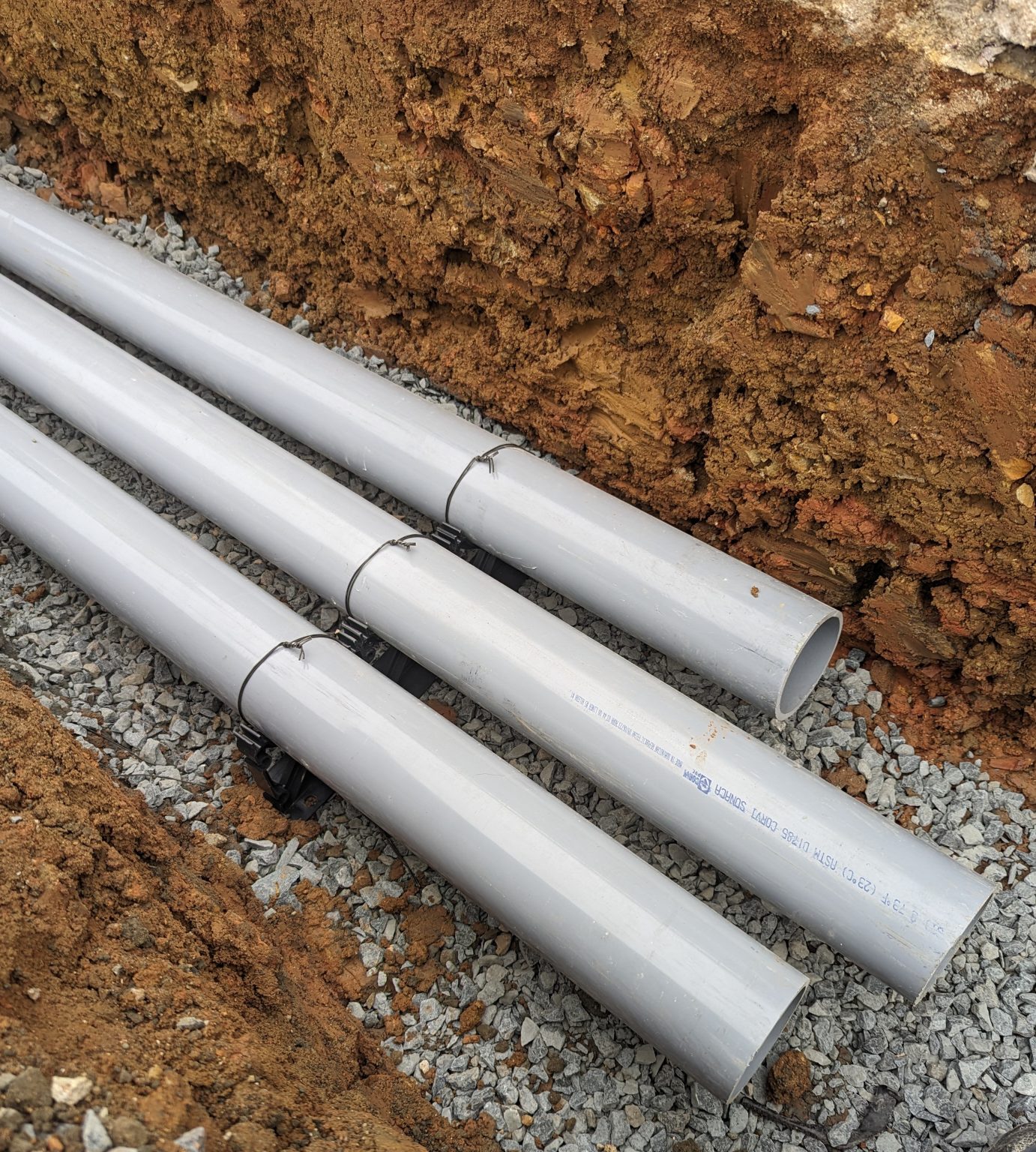

Specifications in Canada often spell out the transitions. A typical public-works conduit section, for instance, calls for rigid PVC underground and in slabs, rigid steel for stub-ups where conduit leaves the concrete, and rigid galvanized steel for exposed work below 2.4 m above the floor.
Bonding and fire separations
A rigid metal conduit system with wrench-tight threaded joints is electrically continuous, and the code allows it to serve as the bonding path for the circuits inside. That continuity has to survive every joint: bonding jumpers go across expansion fittings and anywhere a non-threaded connection or a concentric knockout could break the path, usually from a bonding bushing. Rigid PVC and RTRC carry no fault current, so a bonding conductor is pulled in with the circuit conductors.
For telecommunications, metallic pathways entering a telecom room are bonded to the room’s telecommunications grounding busbar under ANSI/TIA-607, the same as cable tray and runway.
Where conduit passes through a fire-rated wall or floor, the opening around it is sealed with a firestop system tested for that assembly, which in Canada means a system tested to CAN/ULC-S115. Empty or spare conduits through a rated separation are sealed inside as well. Our guide to cable management and fire safety covers firestopping on cabling jobs.

Rigid conduit for network, fiber and security cameras
Most indoor network cabling never needs rigid conduit. It runs in cable tray, on J-hooks or in EMT. Rigid comes in at the edges of the building, which is also where low-voltage jobs go wrong most often:
- Exterior cameras and Wi-Fi. Drops down an exterior wall or along a soffit, especially within reach of the ground. Rigid steel or aluminum with watertight hubs and weatherproof boxes, drained at low points. See our security camera installation page for how we plan camera locations.
- Poles and parking lots. PVC or DB2 underground to the pole, with a rigid steel elbow and riser at the base where mowers, plows and cars can hit it.
- Parking garages and loading docks. PVC-coated steel or aluminum near salt, and rigid steel below about 2.4 m where carts and forklifts work.
- Building entrances and between buildings. The incoming fiber or copper from the street or from another building arrives in underground conduit. Outdoor-rated or armoured fiber goes inside; our guide to armoured and non-armoured fiber explains the difference.
- Warehouses and plants. Drops to access points, cameras and card readers on columns at forklift height. Our warehouse cabling work uses rigid at the bottom of the column and EMT or tray above.
Telecom conduit follows ANSI/TIA-569 on top of the electrical code:
- No more than 30 m (100 ft) between pull points.
- No more than two 90 degree bends, or 180 degrees in total, between pull points, and a pull box at any reverse (U-shaped) bend.
- Bend radius at least 6 x the inside diameter up to trade size 53 and 10 x above that, and 10 x for fiber at any size. Use long-radius sweeps, not standard elbows.
- No LB conduit bodies on data runs. Many owners’ standards ban them outright. Toronto Metropolitan University’s cabling standard, for one, allows only sweeps and 90 degree elbows, and sizes pull boxes at 8 times the inside diameter of the largest conduit.
- Bushings on every end, a pull string left in every conduit, and spare conduits capped.
- Fill planned for growth. The 40% limit for three or more cables is a maximum, not a target.
Keep network cable out of power conduit. The Canadian Electrical Code keeps communication circuits separate from power conductors except under specific conditions. Our guide to data and electrical conduit under the Canadian Electrical Code walks through the rules and the common jobsite scenarios.
Which conduit goes where
- Rooftop: rigid steel or aluminum on roof supports, with expansion fittings
- Exterior camera and Wi-Fi drops: rigid aluminum or steel, watertight hubs
- Warehouse and dock: rigid steel below 2.4 m, EMT above
- Dry offices: EMT
- Slab on grade: rigid PVC in the slab, rigid steel stub-up
- Parking level: PVC-coated steel, aluminum or PVC
- Underground: rigid PVC or DB2 below warning tape, rigid steel elbow and riser at the pole
| Location | Usual choice | Why |
|---|---|---|
| Dry office ceilings and walls | EMT | Rigid adds cost and weight with no benefit |
| Exposed below about 2.4 m in warehouses, docks, plant rooms | Rigid galvanized steel | Impact from carts, pallets and forklifts |
| Outdoors on walls, soffits and rooftops | Rigid aluminum or galvanized steel | Weather, UV and physical damage; aluminum on long runs for weight |
| Parking garages, car washes, salted areas | PVC-coated steel, aluminum or rigid PVC | Chloride corrosion |
| In or under slabs | Rigid PVC, rigid steel stub-ups | Corrosion-proof in the slab, tough where it leaves the concrete |
| Underground | Rigid PVC, DB2 or RTRC; rigid steel elbows and risers | Burial and frost; steel where the run comes up |
| Chemical and wastewater areas | PVC-coated steel, rigid PVC or RTRC | Chemical attack |
| Food and pharmaceutical washdown | Stainless steel | Cleanability and corrosion |
| Hazardous locations | Threaded rigid metal conduit with sealing fittings, or hazardous location cable | Section 18 sets the permitted wiring methods for each zone |
Codes and standards in Canada
Installations in Ontario follow the Ontario Electrical Safety Code, which adopts the Canadian Electrical Code with Ontario amendments. The 2024 OESC (29th edition) took effect on May 1, 2025, and is based on the 2024 CEC, CSA C22.1:24. The rules that matter most for rigid conduit:
| Topic | Where it is covered |
|---|---|
| Rigid and flexible metal conduit (use, minimum size, threads, thread engagement) | CEC Rules 12-1000 to 12-1014 |
| Rigid PVC conduit (use, temperature limit, expansion, supports) | CEC Rules 12-1100 to 12-1124 |
| Rigid Type EB1 and DB2/ES2 PVC conduit | CEC Rules 12-1150 to 12-1166 |
| Rigid RTRC conduit | CEC Rules 12-1200 to 12-1220 |
| General raceway rules, including the four-bend limit (12-940) | CEC Rules 12-902 to 12-944 |
| Radius of bends | CEC Rule 12-924 and Table 7 |
| Conduit fill and inside areas | CEC Rule 12-910, Table 8 and Tables 9A to 9P |
| Underground cover | CEC Rule 12-012 and Table 53 |
| Hazardous locations, threaded joints and seals | CEC Section 18 |
| Steel rigid conduit product standard | CSA C22.2 No. 45.1 (trinational with UL 6) |
| Aluminum, stainless steel and red brass rigid conduit | CSA C22.2 No. 45.2 (with UL 6A) |
| Rigid PVC conduit; Types EB1 and DB2; PVC boxes and fittings | CSA C22.2 No. 211.2, No. 211.1 and No. 85 |
| RTRC conduit | CSA C22.2 No. 2420 (below ground) and No. 2515 (above ground) |
| Telecommunications pathways and bonding | ANSI/TIA-569-E and ANSI/TIA-607-D |
| Firestop systems | CAN/ULC-S115 |
In Ontario, conduit and wiring for power circuits is electrical work that has to be done by an ECRA/ESA Licensed Electrical Contractor. Cablify installs conduit pathways for network, fiber, camera and access control cabling, and power circuits on our projects are installed by a Licensed Electrical Contractor working with us. Our conduit installation page covers that work.
Mistakes we see
- EMT where rigid was needed. Thin-wall tubing with set-screw fittings on an exterior wall or a parking garage column, rusted through at the couplings within a few winters.
- No bushings. A sharp cut end at a box, and a cable jacket stripped during the pull.
- Unreamed cuts. The burr inside a field cut does the same damage from inside the conduit.
- PVC strapped tight with no expansion joint. The run bows between straps in summer and pulls out of its fittings in winter.
- Standard elbows and LBs on data runs. Bends tighter than TIA-569 allows, and pull points that force the cable around a sharp corner.
- Too many bends. Three 90s and an offset between pull points, then a cable that will not pull without exceeding its tension rating.
- Aluminum in salted concrete or plain galvanized steel going from concrete into soil without a coating.
- Damaged PVC coating. A coated system installed with ordinary tools, nicked at every strap and vise mark.
- No bonding jumper across an expansion fitting, so the bonding path depends on a sliding joint.
- Empty conduit with no pull string, and no record of where it goes.
Need conduit for cameras, fiber or network cabling?
Cablify plans and installs conduit pathways for network, fiber, security camera and access control cabling across Toronto and the GTA, including rigid runs outdoors, in parking garages and in warehouses. Tell us about the site and we will tell you where rigid is worth it and where it is not.
FAQ
What is rigid conduit?
Rigid conduit is a heavy-walled raceway that protects electrical and communication cables. The term covers rigid metal conduit in galvanized steel, aluminum or stainless steel, PVC-coated rigid steel, rigid PVC and fiberglass (RTRC) conduit. Metal rigid conduit is joined with tapered threads and threaded couplings, rigid PVC with solvent cement. It is used where conduit is exposed to impact, weather, corrosion or burial, and in hazardous locations.
What is the difference between rigid conduit and EMT?
Rigid steel conduit has a wall more than twice as thick as EMT, is threaded, and weighs two to three times as much. EMT is joined with set-screw or compression fittings and is meant for dry, protected indoor runs. Rigid conduit is used outdoors, below about 2.4 m where it can be hit, in parking garages, underground and in hazardous locations. The two have almost the same inside diameter at each trade size.
What are the types of rigid conduit?
The main types are rigid galvanized steel, rigid aluminum, rigid stainless steel, PVC-coated rigid steel or aluminum, rigid PVC (unplasticized, usually Schedule 40 or 80) and reinforced thermosetting resin conduit (RTRC), also called fiberglass conduit. Intermediate metal conduit (IMC) is common in the US but has had no CSA product standard, so it is rare on Canadian jobs.
Is PVC conduit considered rigid conduit?
Yes. The Canadian Electrical Code calls it rigid PVC conduit and covers it in Rules 12-1100 to 12-1124, separate from rigid metal conduit. It is certified to CSA C22.2 No. 211.2, rated for 75 °C, joined with solvent cement rather than threads, and needs expansion joints and closer supports than metal conduit.
How many bends are allowed in a run of rigid conduit?
For conductors pulled into a raceway, CEC Rule 12-940 allows no more than the equivalent of four 90 degree bends between outlets or draw-in points, including bends at fittings. For telecommunications cable, ANSI/TIA-569 is stricter: no more than two 90 degree bends, or 180 degrees in total, and no more than 30 m between pull points.
What is the minimum bend radius for rigid conduit?
CEC Rule 12-924 and Table 7 set the minimum radius for electrical work. For network and fiber cable, ANSI/TIA-569 requires an inside radius of at least 6 times the conduit’s inside diameter up to 2 in (53) trade size and 10 times above that, and 10 times for fiber at any size. Standard factory elbows are tighter than this, so data conduit needs long-radius sweeps.
How many threads need to be engaged on rigid conduit?
The CE Code Handbook explains that Rule 12-1008 requires three threads to be engaged when making a threaded connection, and Rule 18-102 requires five in a Zone 1 hazardous location. Joints must be wrench-tight, cut ends must be reamed, and running threads are not used to join conduit.
Does PVC conduit need expansion joints?
Usually, wherever it is exposed to temperature changes. Rigid PVC grows about 0.052 mm per metre for every degree Celsius, roughly four times as much as steel. A 30 m rooftop run with a 75 °C swing changes length by about 117 mm. Manufacturers call for expansion joints when the expected change is more than about 14 °C, with the straps left loose enough for the conduit to slide.
Can rigid conduit be buried or set in concrete?
Yes. Galvanized rigid steel can be embedded in concrete without extra protection, but steel where it leaves concrete and enters soil, and aluminum in concrete that contains chlorides, need a protective coating. Rigid PVC and RTRC are the usual choices underground, with rigid steel elbows and risers where the run comes out of the ground. Cover depth comes from CEC Rule 12-012 and Table 53.
Is IMC allowed in Canada?
Intermediate metal conduit is widely used in the US, but Canada has had no CSA product standard for it, and the CSA fittings standard, C22.2 No. 18.3, notes that IMC fittings are not recognized in Canada. CSA has a new IMC standard, C22.2 No. 347, in development. Until then, Canadian specifications call for rigid steel, aluminum or PVC instead.
Can network cable share a rigid conduit with power?
Not as a rule. The Canadian Electrical Code keeps communication circuits separate from power conductors except under specific barrier or insulation conditions, so run data and power in separate conduits. Rigid steel also shields the data conduit from nearby power runs.
Standards and references used in this guide
- CSA C22.1:24, Canadian Electrical Code, Part I, and the 2024 Ontario Electrical Safety Code (29th edition); CSA C22.1HB, Canadian Electrical Code Handbook
- CSA C22.2 No. 45.1:22, Electrical rigid metal conduit, steel (with UL 6), and CSA C22.2 No. 45.2, aluminum, red brass and stainless steel (with UL 6A)
- CSA C22.2 No. 211.1, 211.2 and 85, rigid PVC conduit, Types EB1 and DB2/ES2, and rigid PVC boxes and fittings
- CSA C22.2 No. 2420 and No. 2515, belowground and aboveground RTRC; CSA C22.2 No. 18.3, conduit, tubing and cable fittings
- ANSI/TIA-569-E, Telecommunications Pathways and Spaces; ANSI/TIA-607-D, Bonding and Grounding
- ESA, Buried wiring information sheet (Rule 12-012 and Table 53)
- Wheatland Tube rigid metal conduit submittal data; IPEX Scepter rigid PVC expansion joint technical data; ABB Thomas & Betts rigid conduit fitting specifications; Robroy Plasti-Bond and ABB Ocal PVC-coated conduit data; Champion Fiberglass RTRC data
- Toronto Metropolitan University, Section 27 05 33 communications pathways standard; City of Winnipeg and Government of Newfoundland and Labrador conduit specifications (Section 26 05 34)